A group of Dalit friends braved an upper-caste village to pursue an inter-caste love. They returned as bodies, pulled from the Bheri River, sparking a movement for equality in Nepal.
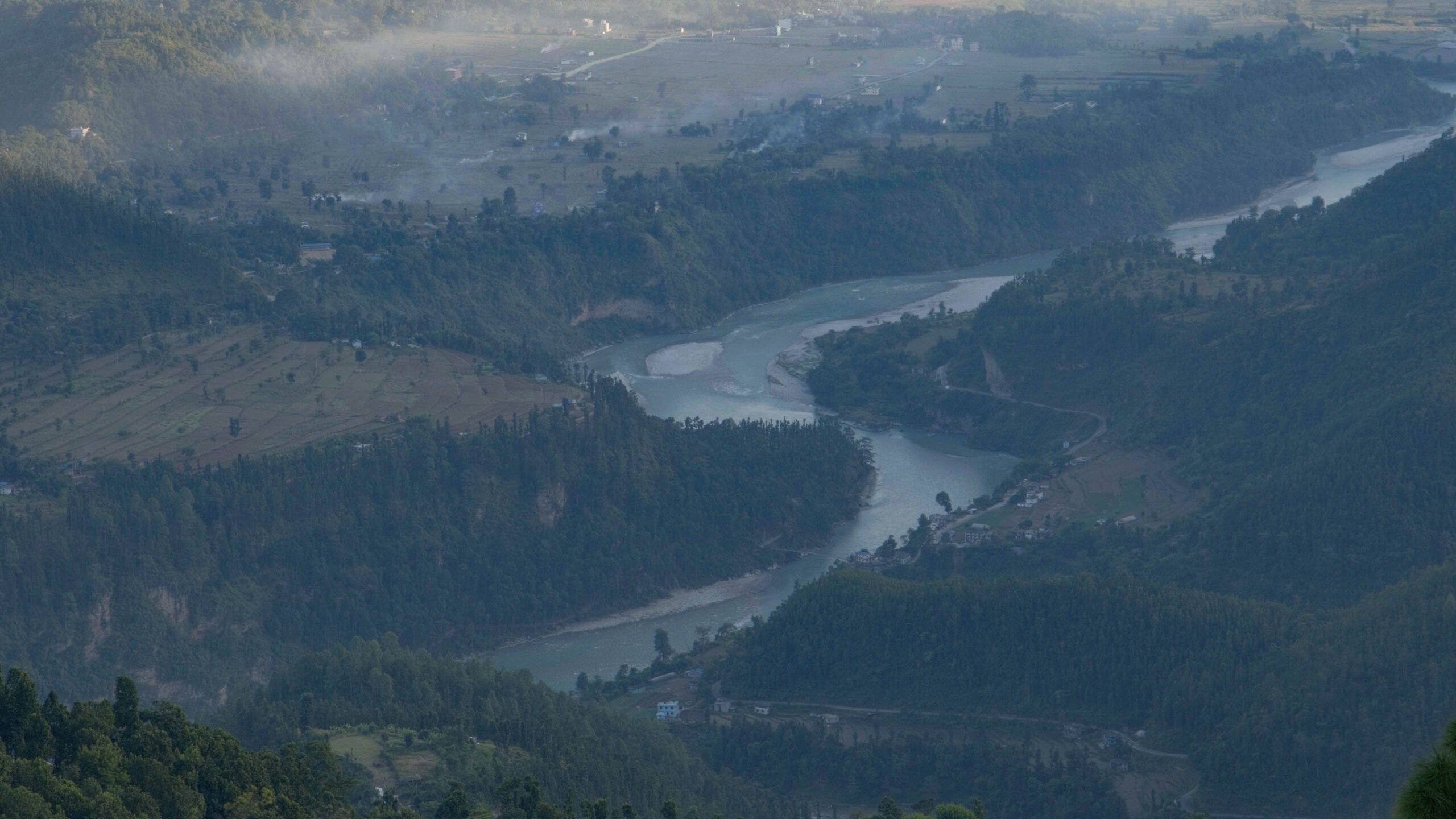
In far-western Nepal, the Bheri River flows from the Himalayas, winding past villages and settlements. In May 2020, it became the site of a tragedy later known as the Soti Massacre.
Eighteen youths, led by Nawaraj, crossed from their Dalit village in Jajarkot to the more affluent Soti village to seek the hand of an upper-caste girl. None returned that night. Over eleven harrowing days, six bodies, surfaced along a thirty-kilometer stretch of the river.
The film traces, in its aftermath, the deep layers of caste and gender discrimination and systemic inequality in Nepal. It follows four lives caught in the currents of grief and resistance. Nawaraj’s father, Munlal, carries the imposed burden of seeking justice for all victims’ families. Sahil, orphaned and living with a learning disability, slowly awakens to the realities of his lower-caste identity. Lakshmi, who lost a son, educates herself and her daughter about caste justice. Jeevan, who survived by swimming across the river, remains trapped in fear and uncertainty.
Frustrated by state neglect, Dalits and Gen Z activists took to the streets. With a new government installed after Gen Z anti-corruption protests in 2025, the Dalits wait, hoping for the change they have long demanded.